If you buy activated carbon, one number matters more than any other line in the datasheet: the iodine number. Here is what it actually measures, how to read it on a laboratory report, and why two carbons with the same headline number can still perform differently.
What the iodine number measures
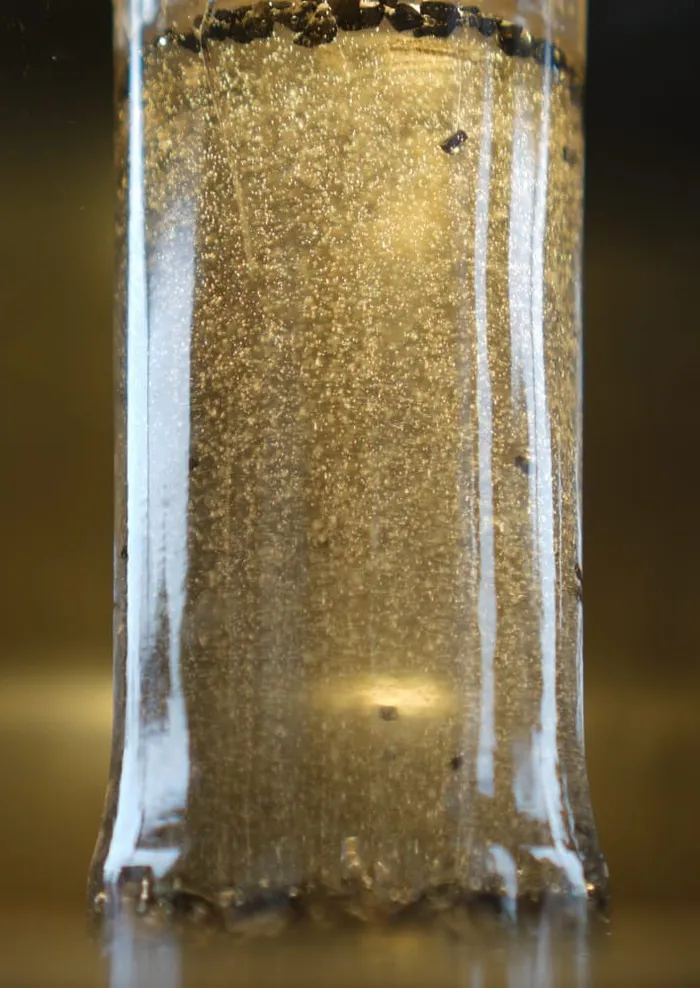
Activated carbon works because of its internal pore structure, a gram of good carbon hides hundreds of square metres of surface inside it. The iodine number estimates that surface. In the test, carbon is mixed with an iodine solution, and the amount adsorbed is reported in milligrams of iodine per gram of carbon (mg/g).
Because iodine molecules are small, they reach the smallest pores (micropores). A high iodine number therefore signals a large micropore surface, the pores that do most of the work when you are removing small organic molecules from water.
Reading a real lab report
Here is an extract from one of our own Sucofindo reports (No. E02370/CNBPAR, tested to SNI 06-3730-1995):
| Parameter | Unit | Result |
|---|---|---|
| Iodine adsorption | mg/g | 1,279.13 |
| Methylene blue adsorption | mL/g | 432.41 |
| Pure activated carbon | % | 92.80 |
| Moisture content | % | 1.10 |
| Ash content | % | 2.70 |
Three things to check beyond the headline figure:
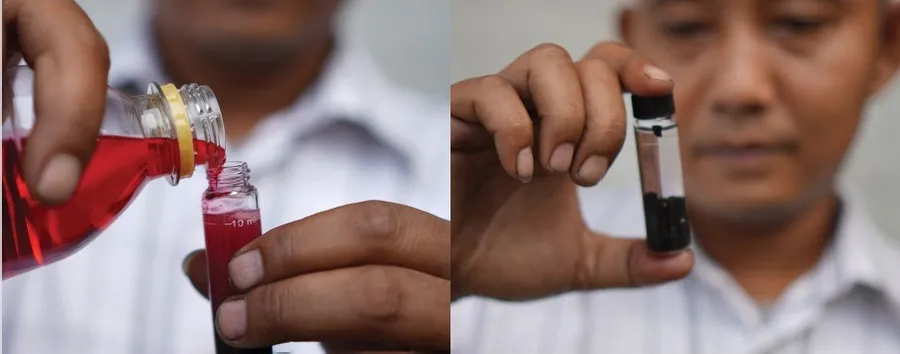
- Methylene blue adsorption uses a much larger molecule, so it probes the mesopores. A carbon can have a strong iodine number but weak methylene blue performance, fine for trace organics, weaker for colour removal. You want to see both numbers.
- Ash and moisture are dead weight. Every percent of ash or water is a percent of the tonne you paid for that adsorbs nothing.
- Who ran the test. A figure from the producer’s own bench is a claim; a figure from an independent, accredited laboratory is evidence.
Matching the number to the job
More is not automatically better, higher-activation carbon costs more to produce. A practical rule of thumb:
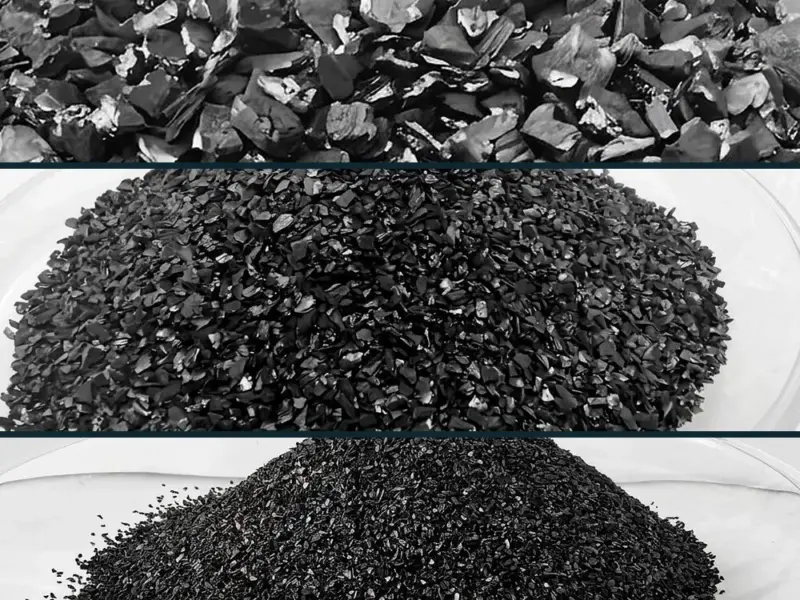
- Below 1,000 mg/g: pre-filtration, sediment-heavy raw water, general odour control, many industrial duties.
- 1,000–1,200 mg/g: municipal drinking water, food and beverage process water, chlorine and taste/odour removal.
- 1,200 mg/g and above: final polishing, low-concentration contaminants, demanding metal-capture duties.
We produce all three ranges to order and publish the full Sucofindo figures for each grade on this site, so you can compare before you commit to a container.